
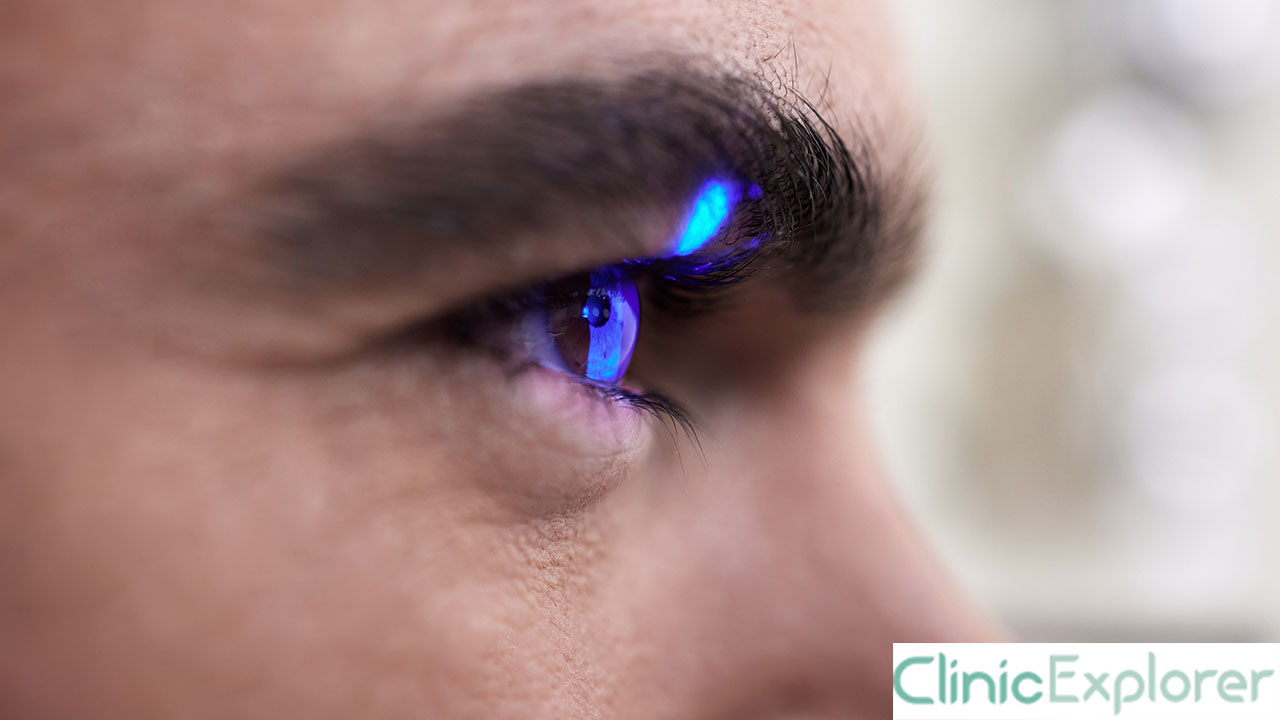

Eye Specialist Consultation: Ensuring Optimal Eye Health
Regular visits to an eye specialist are crucial for maintaining optimal eye health and preserving clear vision. Eye specialists, also known as ophthalmologists or optometrists, are trained professionals who specialize in diagnosing and treating various eye conditions. Whether you are experiencing vision problems or seeking preventive care, scheduling a consultation with an eye specialist is an important step towards safeguarding your eyesight.
During an eye specialist consultation, your eyes will undergo a comprehensive examination. The specialist will assess your visual acuity, measure your eye pressure, and examine the overall health of your eyes. They may use specialized tools and techniques to evaluate the structures of your eyes, including the cornea, lens, retina, and optic nerve. This thorough evaluation allows the specialist to detect any abnormalities or signs of eye diseases, such as cataracts, glaucoma, or macular degeneration, at an early stage.
In addition to assessing your vision and eye health, an eye specialist consultation offers an opportunity to address any concerns or questions you may have. Whether you are experiencing blurry vision, dry eyes, or eye strain, the specialist will listen to your symptoms and provide guidance on the appropriate course of action. They may recommend prescription eyeglasses or contact lenses to correct refractive errors or suggest treatment options for specific eye conditions. If necessary, the specialist may refer you to a subspecialist for further evaluation or specialized treatment.
Moreover, an eye specialist consultation is not limited to treating existing eye conditions. It also plays a crucial role in preventive care. The specialist can provide guidance on maintaining good eye health, offer advice on eye hygiene practices, and recommend lifestyle modifications to minimize the risk of eye diseases. They can also educate you about the importance of protecting your eyes from harmful ultraviolet (UV) radiation, whether through wearing sunglasses or using protective eyewear in certain environments.
Remember that regular eye specialist consultations are essential, even if you are not experiencing any noticeable vision problems. Many eye conditions, such as glaucoma, diabetic retinopathy, or age-related macular degeneration, can develop without noticeable symptoms in the early stages. By undergoing regular eye examinations, potential issues can be detected and treated early, increasing the chances of successful management and preserving your vision.
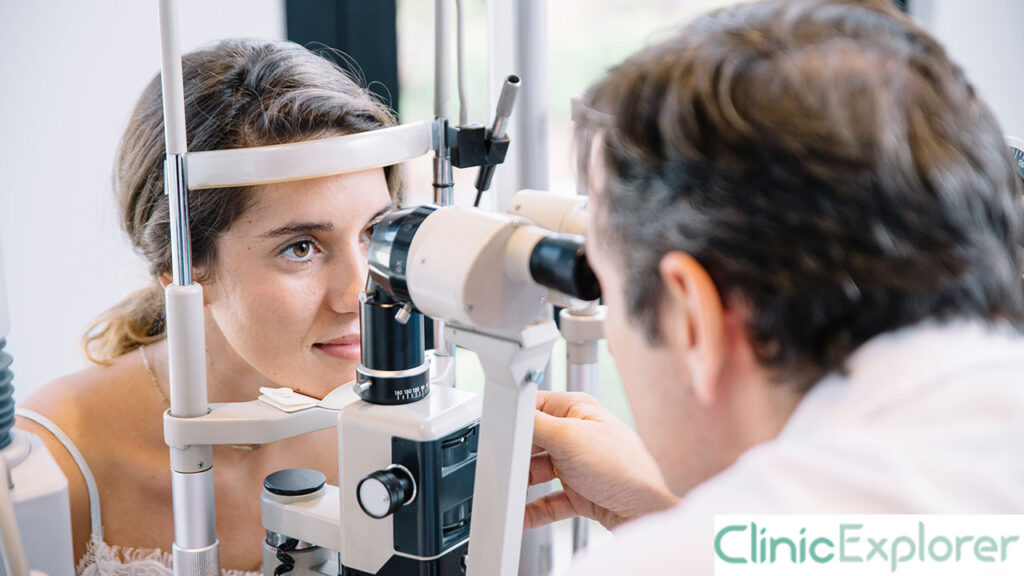
In conclusion, scheduling an eye specialist consultation is vital for maintaining optimal eye health and preventing potential vision problems. By undergoing a comprehensive eye examination, you can identify any existing eye conditions, receive appropriate treatment, and address any concerns you may have. Additionally, regular consultations allow for preventive care and early detection of potential eye diseases. Make it a priority to schedule regular visits to an eye specialist to ensure the long-term health and clarity of your vision.