
Corneal Transplantation: Restoring Vision and Hope
Corneal transplantation, also known as corneal grafting or keratoplasty, is a surgical procedure performed to replace a damaged or diseased cornea with healthy corneal tissue from a donor. The cornea, the transparent front part of the eye, plays a crucial role in focusing light onto the retina and maintaining clear vision. When the cornea becomes damaged or diseased, vision can be significantly impaired. Corneal transplantation offers a ray of hope for individuals experiencing corneal issues that cannot be corrected through other means.
The procedure begins with a thorough evaluation by an ophthalmologist specializing in corneal transplantation. The surgeon carefully assesses the condition of the patient’s cornea and determines the appropriate course of treatment. The cornea for transplantation is obtained from a deceased donor through a meticulous process that ensures safety and compatibility.
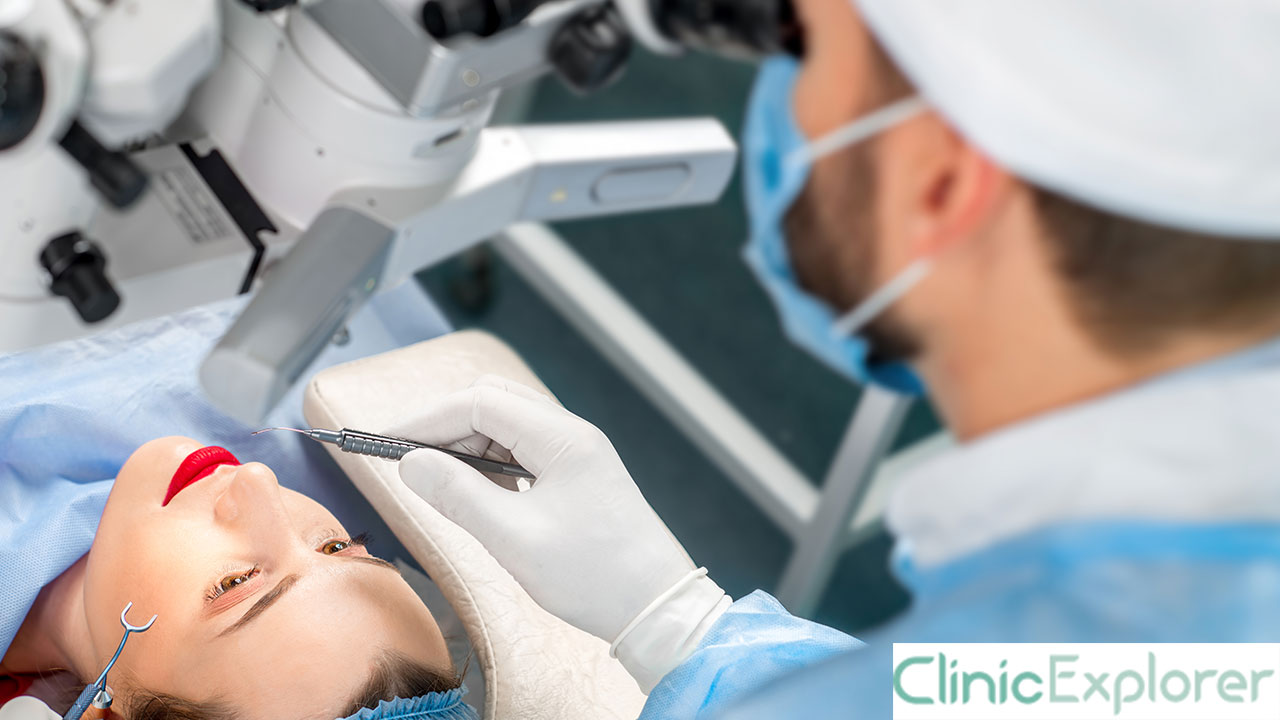
During the surgery, the damaged cornea is removed, and the healthy donor cornea is carefully placed and stitched in its place. The sutures used during the surgery are tiny and typically remain in place for several months to support the healing process. In some cases, newer techniques such as Descemet’s stripping automated endothelial keratoplasty (DSAEK) or Descemet’s membrane endothelial keratoplasty (DMEK) may be used, which involve the replacement of only specific layers of the cornea.
After the surgery, patients are closely monitored to ensure proper healing and to prevent complications such as infection or rejection of the donor tissue. Medications, including eye drops and oral immunosuppressive drugs, may be prescribed to reduce the risk of rejection and promote healing. Regular follow-up visits are essential to assess the success of the transplant and make any necessary adjustments to medications or treatment plans.
Corneal transplantation has proven to be a highly successful procedure, with a high rate of success in restoring vision and improving the quality of life. However, like any surgical procedure, there are potential risks and complications, including graft rejection, infection, or astigmatism. The likelihood of these complications can be minimized with careful donor selection, surgical expertise, and post-operative care.
For individuals who have lost hope in restoring their vision due to corneal issues, corneal transplantation offers a life-changing opportunity. It can improve visual acuity, reduce pain or discomfort, and enhance overall quality of life. The availability of donor corneas and advancements in surgical techniques have made corneal transplantation a viable option for many individuals worldwide.

In conclusion, corneal transplantation is a surgical procedure that offers hope for individuals with damaged or diseased corneas. By replacing the damaged cornea with a healthy donor cornea, vision can be restored, enabling individuals to regain visual acuity and improve their quality of life. If you are experiencing corneal issues, consult with an ophthalmologist to determine if corneal transplantation is a suitable option for you and embark on a journey towards restored vision and renewed hope.