
Cataract Surgery: Restoring Clarity and Vision
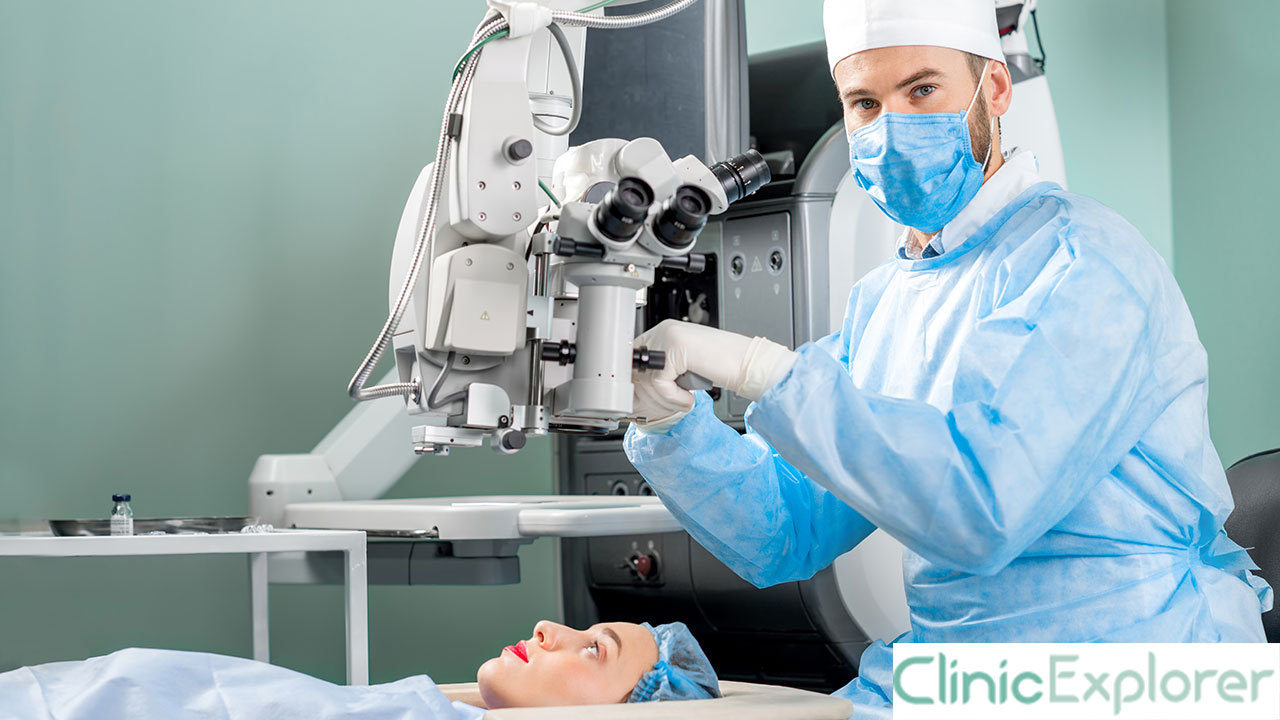
Cataract surgery is a common and highly effective procedure performed to restore vision in individuals with cataracts. A cataract is a clouding of the natural lens of the eye, causing blurred vision, glare, and decreased visual acuity. Cataract surgery involves the removal of the cloudy lens and its replacement with an artificial lens called an intraocular lens (IOL) to restore clear vision.
The procedure begins with a comprehensive eye examination and consultation with an ophthalmologist specializing in cataract surgery. During the surgery, which is usually performed under local anesthesia, a small incision is made in the eye. Through this incision, a tiny ultrasound probe is inserted to break up the cloudy lens into small fragments. These fragments are then gently removed from the eye. Once the cataract is fully removed, the IOL is implanted in its place to replace the natural lens.
Advancements in technology have led to various types of IOLs that can address specific vision needs. Monofocal IOLs provide clear vision at a fixed distance, typically for distance vision, while multifocal or accommodating IOLs offer the ability to focus on objects at different distances, reducing the dependence on glasses. The choice of IOL depends on factors such as the patient’s lifestyle, visual requirements, and overall eye health.
Cataract surgery is generally safe and well-tolerated, with a high success rate. Most patients experience improved vision soon after the procedure, and the recovery period is relatively short. Following surgery, patients may be prescribed eye drops to prevent infection and reduce inflammation. It’s important to attend follow-up appointments to monitor healing and address any concerns.
As with any surgical procedure, there are potential risks and complications associated with cataract surgery. These risks include infection, bleeding, inflammation, and retinal detachment. However, with advances in surgical techniques and technology, the incidence of complications is rare, and the benefits of cataract surgery generally outweigh the risks.
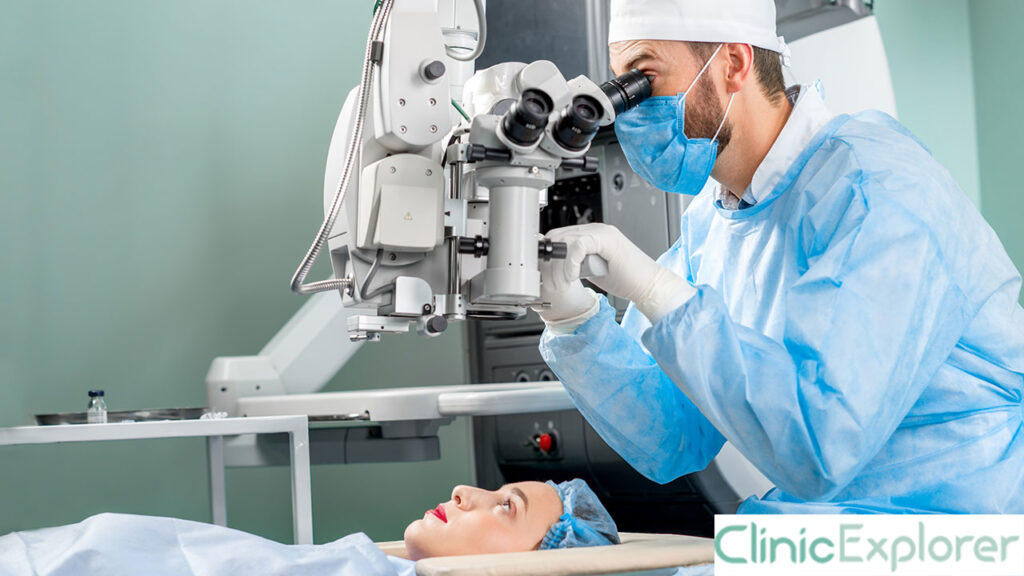
Cataract surgery can significantly improve the quality of life for individuals with cataracts. By removing the cloudy lens and replacing it with an IOL, clear vision is restored, allowing individuals to see more clearly and perform daily activities with greater ease. The procedure has a high success rate and is considered one of the most common and successful surgeries performed worldwide.
In conclusion, cataract surgery is a highly effective procedure for restoring clear vision in individuals with cataracts. With advancements in surgical techniques and a variety of IOL options, patients can achieve improved vision and reduced dependence on glasses. If you are experiencing symptoms of cataracts, consult with an ophthalmologist to determine if cataract surgery is the right option for you and regain the clarity of your vision.